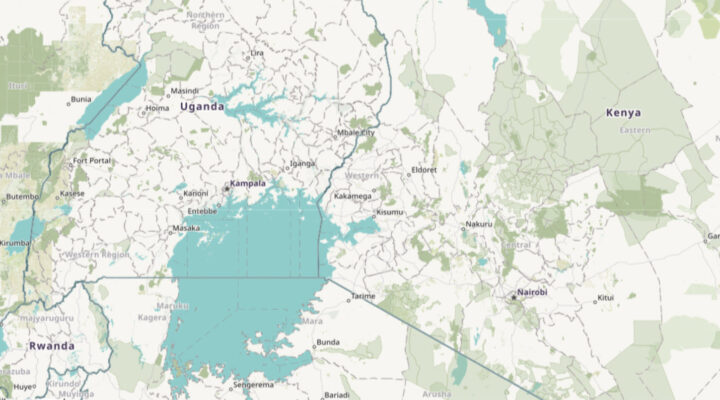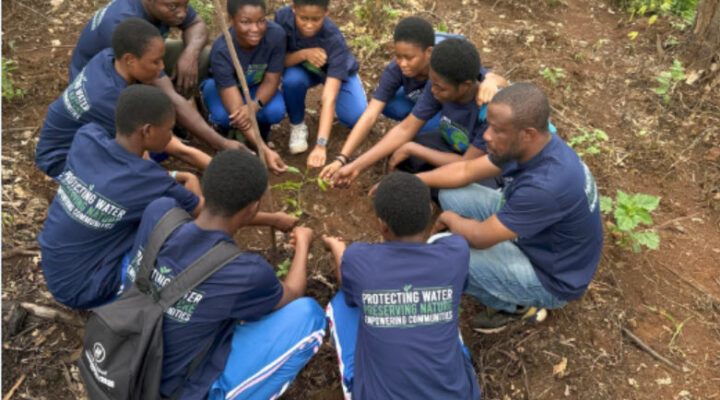
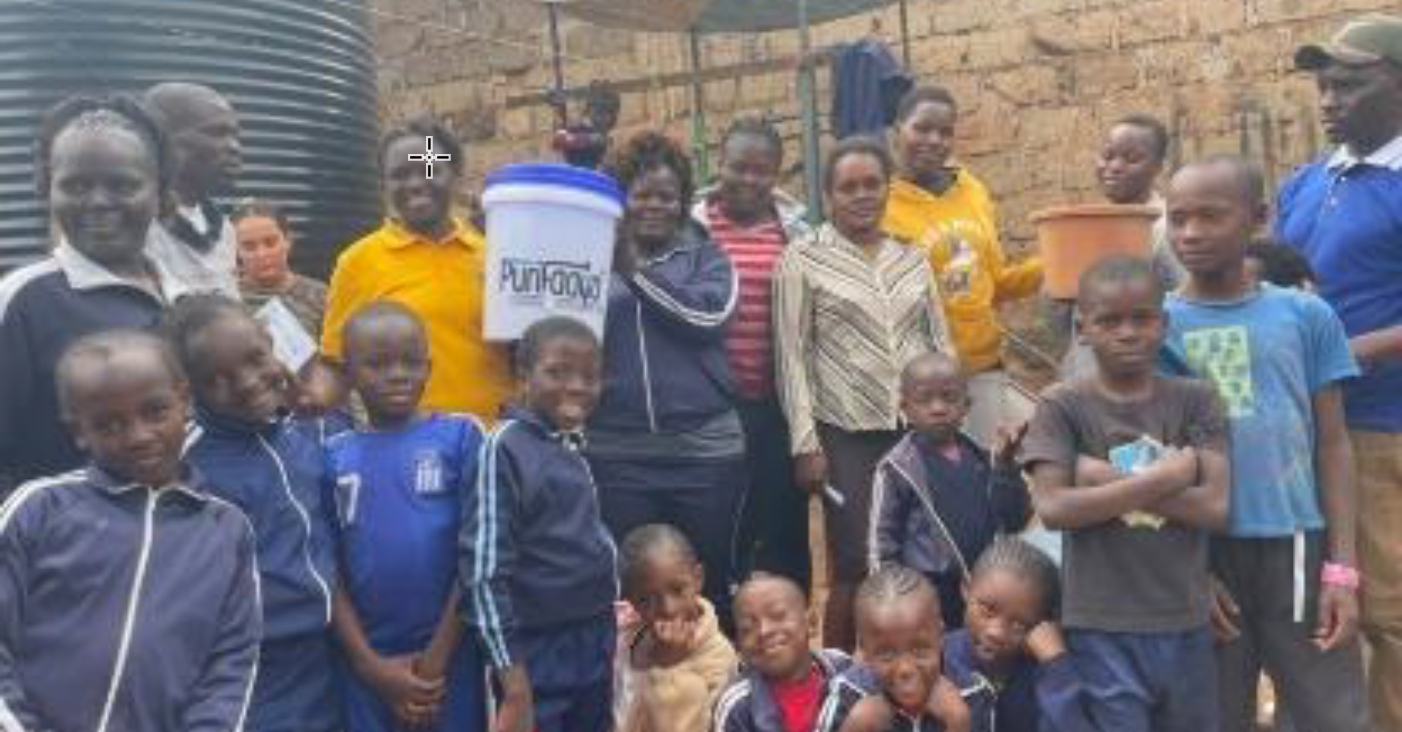
In Kibera, Nairobi, Community Frontier is improving access to safe drinking water with community-driven, decentralised solutions: local water entrepreneurs, ceramic water filters and water-safety planning by residents themselves. Project lead is IHE Delft alumnus Felix Akumu.
Activities and results (July–October 2026)
Training for water entrepreneurs
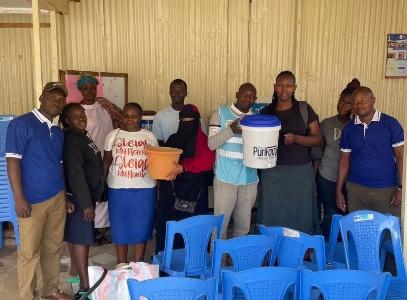
Twelve community water entrepreneurs received practical training from Stephen Wahito, Commercial Manager at SPOUTS International. Topics: operating the Purifaaya ceramic water filter, customer education, health benefits, sales, marketing and after-sales support.
- Output: 12 entrepreneurs trained.
- Intended outcome: more local capacity to demonstrate, distribute and support household water treatment.
Community-led water safety planning
In Sarang’ombe, Community Frontier worked with local water actors to identify contamination risks across collection, transport, storage, handling and consumption of water.
- Output: participatory water-safety planning and risk identification.
- Intended outcome: a community better able to prioritise preventive measures and inform local WASH decisions.
Training at an ECD centre and water-quality assessment
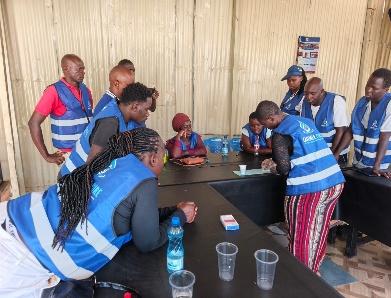
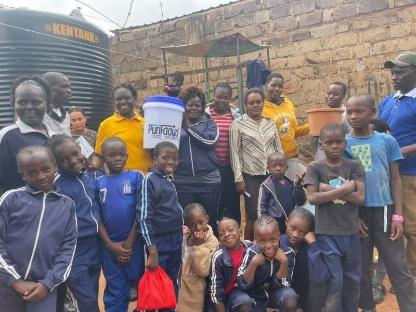
Teachers, caregivers and community members were trained in safe water handling, hygiene promotion, and the operation and maintenance of gravity-fed ceramic filters. In addition, 11 community members took part in a community-led water-quality assessment of physical and biological contamination risks, including E. coli. A ceramic filter was donated to the local Early Childhood Development (ECD) centre.
- Output: training at the ECD centre; 11 community members involved in the water-quality assessment.
- Intended outcome: better safe-water practices and stronger community participation in water safety.
Emerging outcomes
- Stronger practical knowledge among the trained entrepreneurs and ECD-centre staff.
- More community participation in identifying water-safety risks and possible solutions.
- A locally led distribution model that links safe water to livelihood opportunities.
Challenges
- Low filter uptake: household adoption and sales need further monitoring and stronger product demonstrations.
- Limited awareness: some children and community members confuse ceramic filters with handwashing stations, so clearer demonstrations and communication are needed.
- Donor dependency: continued reliance on external funding is a risk to sustainability.
Next steps
The project connects community training, water-quality evidence and locally led distribution to make Kibera’s water safer and its community more resilient. The next phase focuses on measuring actual filter adoption and sustained use, improvements in water quality, and financial sustainability.
Source: project implementation progress report of 26 October 2026 by Felix Akumu, project lead at Community Frontier.